

BISP Taleemi Wazaif Helps School Dropouts Students
ISLAMABAD, PAKISTAN — In a country where millions of children face the risk of leaving school due to poverty, the Benazir Taleemi Wazaif program stands as a beacon of hope. This groundbreaking initiative under the Benazir Income Support Programme (BISP) is transforming the educational landscape of Pakistan by providing crucial financial support that keeps children in classrooms instead of forcing them into child labor or early marriage.
اسلام آباد، پاکستان — ایک ایسے ملک میں جہاں لاکھوں بچوں کو غربت کی وجہ سے اسکول چھوڑنے کے خطرے کا سامنا ہے، بے نظیر تعلیم وظیف پروگرام امید کی کرن کے طور پر کھڑا ہے۔ بے نظیر انکم سپورٹ پروگرام (BISP) کے تحت یہ اہم اقدام پاکستان کے تعلیمی منظر نامے کو اہم مالی امداد فراہم کر کے تبدیل کر رہا ہے جو بچوں کو چائلڈ لیبر یا کم عمری کی شادی پر مجبور کرنے کے بجائے کلاس رومز میں رکھتا ہے۔
Read more about: BISP payment november 2025 installment schedule
Understanding BISP Taleemi Wazaif
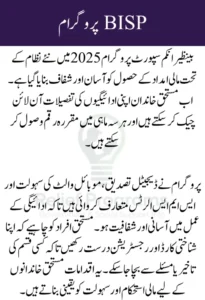
Benazir Taleemi Wazaif is a conditional cash transfer program specifically designed to support the education of children from Pakistan’s most vulnerable families. Launched initially as a pilot project in five districts in November 2012, the program has expanded dramatically over the years, now reaching families across 100 districts nationwide.
The program operates on a simple yet powerful principle: provide quarterly financial stipends to families enrolled in BISP Kafalat, conditional upon their children’s school enrollment and regular attendance. This approach addresses one of the primary reasons children drop out of school—the inability of families to afford basic educational expenses.
Over 12 million children are currently enrolled under this program, representing one of the largest educational support initiatives in South Asia. Since its inception, BISP has disbursed over Rs. 63.34 billion under Benazir Taleemi Wazaif, demonstrating the government’s substantial commitment to education.
How the Program Reduces School Dropouts
Financial Barriers Removed
The most direct impact of Taleemi Wazaif is the removal of financial barriers that force children out of school. With inflation affecting every household, poor families often face impossible choices between feeding their children and educating them. The quarterly stipends help parents bear essential school expenses including uniforms, books, textbooks, stationery, and transportation costs.
For the 2025 academic year, the stipend structure provides targeted support based on education level:
- Primary Level (Class 1-5): Rs. 2,000 for boys, Rs. 2,500 for girls per quarter
- Secondary Level (Class 6-10): Rs. 3,000 for boys, Rs. 3,500 for girls per quarter
- Higher Secondary Level (Class 11-12): Rs. 3,500 for boys, Rs. 4,500 for girls per quarter
These amounts may seem modest, but for families living in poverty, they represent the difference between a child attending school or working to contribute to household income.
Incentivizing Regular Attendance
The program’s conditional nature plays a crucial role in reducing dropouts. To receive quarterly payments, children must maintain at least 70% school attendance. This requirement creates a powerful incentive for families to ensure their children attend school regularly rather than keeping them home for household work or agricultural labor during busy seasons.
BISP conducts school attendance verification three times per year, ensuring transparency and accountability. Schools are responsible for monitoring and reporting attendance, creating a collaborative system between educational institutions and the government to keep children in school.
Special Focus on Girls’ Education
One of the most impactful aspects of Taleemi Wazaif is its emphasis on girls’ education. Girls receive higher stipend amounts at every education level, addressing the cultural and economic factors that often lead to girls being pulled out of school first when families face financial difficulties.
Additionally, girls who successfully complete primary school receive a one-time bonus of Rs. 3,000, providing extra motivation for families to allow their daughters to continue their education. This targeted approach recognizes that girls face unique barriers to education and require additional support to stay in school.
The program has demonstrated measurable success in increasing girls’ enrollment in schools and colleges and significantly reducing the dropout rate among female students across Pakistan.
Read More About : bisp payment schedule and districts list
Key Features That Combat Dropouts
Age-Appropriate Support
The program provides support across the entire educational journey, with eligibility criteria designed to match different life stages:
- Primary Education: Children aged 4-12 years
- Secondary Education: Children aged 8-18 years
- Higher Secondary Education: Young people aged 13-22 years
This comprehensive age coverage ensures that students receive support throughout their educational journey, from early childhood through higher secondary education.
Flexibility and Accessibility
Understanding that families may need to change schools due to relocation or progression to higher grades, the program allows for school changes. Parents must simply update BISP records with the new school information and verified admission slip to continue receiving support without interruption.
This flexibility is particularly important when children transition from primary to middle school or change locations, preventing administrative gaps from causing payment delays that might lead to dropouts.
Transparent Distribution System
For 2025, the government has introduced significant reforms to make payments more accessible and transparent. The new instant withdrawal system eliminates deductions and ensures families receive the full stipend amount. Payment channels include:
- BISP campsites with biometric verification
- Bank ATMs (HBL and Bank Alfalah)
- JazzCash and EasyPaisa mobile wallets
- HBL Konnect agents and partner outlets
These multiple distribution channels, especially important in rural and remote areas, reduce delays and eliminate opportunities for corruption or unauthorized deductions.
Real-World Impact on Dropout Rates
The program’s structure creates multiple protective factors against school dropouts:
Economic Security: Regular quarterly payments provide families with predictable income specifically for education, reducing the temptation to pull children from school during financial crises.
Accountability Mechanism: The attendance requirement creates a formal monitoring system that identifies at-risk students early. Children who fail to meet attendance requirements for three consecutive quarters face suspension from the program, encouraging families to address attendance issues promptly.
Community Awareness: The widespread reach of the program has created awareness about the importance of education, particularly primary and secondary education, among BISP beneficiary families across Pakistan.
Long-term Investment Mentality: By providing sustained support from primary through higher secondary education, the program encourages families to view education as a long-term investment rather than an expendable luxury.
Eligibility and Enrollment Process
To become beneficiaries of Taleemi Wazaif, families must meet specific criteria:
Primary Requirements:
- The child’s mother must be an active BISP Kafalat beneficiary
- The child must fall within the appropriate age range for their education level
- The child must be enrolled in a government or recognized private school
- The family must possess the mother’s CNIC and child’s B-Form verified by NADRA
Enrollment Process:
- Visit a BISP enrollment camp or field office
- Bring required documents: mother’s CNIC, child’s B-Form, and school admission slip verified by the school head
- Complete the registration form
- Submit for verification
Once enrolled, the first payment is released in the following quarter, provided the child maintains the required attendance.
Read more about : BISP verify your name for verification
Payment Verification and Support
Families can easily check their payment status through multiple channels:
- SMS Service: Send the mother’s 13-digit CNIC to 8171
- Online Portal: Visit 8171.bisp.gov.pk and enter the CNIC number
- In-Person: Visit the nearest BISP Tehsil office with required documents
The government sends SMS alerts with stipend details and collection instructions, ensuring families stay informed about payment schedules and requirements.
Addressing Challenges and Complaints
BISP field offices serve as primary complaint resolution centers, handling various beneficiary concerns. The case management process ensures quick disposal of complaints, improving program efficiency and maintaining beneficiary confidence in the system.
Common issues addressed include:
- Payment delays or discrepancies
- School change notifications
- B-Form updates and NADRA verification
- Attendance record corrections
- Eligibility verification
Prompt resolution of these issues prevents administrative problems from becoming reasons for dropout.
Conclusion
The BISP Taleemi Wazaif program has proven to be one of Pakistan’s most effective tools in fighting educational dropout rates. By addressing the primary financial barriers that keep children out of school, incentivizing regular attendance, and providing special support for girls’ education, the program creates a safety net that protects vulnerable children’s right to education.
With over 12 million children enrolled and billions of rupees disbursed, Taleemi Wazaif demonstrates that targeted social protection can transform educational outcomes at scale. The program’s success lies not just in the money distributed, but in its comprehensive approach that combines financial support, attendance monitoring, special provisions for girls, and accessible distribution systems.
بی آئی ایس پی تعلیم وظیف پروگرام تعلیمی ڈراپ آؤٹ کی شرح سے لڑنے کے لیے پاکستان کے سب سے موثر ہتھیاروں میں سے ایک ثابت ہوا ہے۔ بنیادی مالی رکاوٹوں کو دور کرتے ہوئے جو بچوں کو اسکول سے دور رکھتی ہیں، باقاعدہ حاضری کو ترغیب دے کر، اور لڑکیوں کی تعلیم کے لیے خصوصی مدد فراہم کرتے ہوئے، یہ پروگرام ایک حفاظتی جال بناتا ہے جو کمزور بچوں کے تعلیم کے حق کا تحفظ کرتا ہے۔
12 ملین سے زیادہ بچوں کے اندراج اور اربوں روپے کی تقسیم کے ساتھ، تعلیمی وظیف یہ ظاہر کرتی ہے کہ ٹارگٹڈ سماجی تحفظ تعلیمی نتائج کو بڑے پیمانے پر تبدیل کر سکتا ہے۔ پروگرام کی کامیابی صرف تقسیم شدہ رقم میں نہیں ہے، بلکہ اس کے جامع نقطہ نظر میں ہے جس میں مالی معاونت، حاضری کی نگرانی، لڑکیوں کے لیے خصوصی انتظامات، اور قابل رسائی تقسیم کے نظام شامل ہیں۔
FAQs
Q1: Who can apply for BISP Taleemi Wazaif?
Only children whose mothers are active BISP Kafalat beneficiaries are eligible. The child must be within the age criteria and enrolled in school.
Q2: What is the attendance requirement?
Children must maintain at least 70% school attendance each quarter to continue receiving stipend payments.
Q3: How much money do families receive?
Stipends range from Rs. 2,000 to Rs. 4,500 per quarter, depending on education level and gender, with girls receiving higher amounts.
Q4: When are payments distributed?
Payments are released quarterly, typically at the beginning of each quarter to align with school terms and expenses.
Q5: Can children switch schools?
Yes, but families must immediately inform BISP and submit a verified admission slip from the new school to avoid payment interruptions.
Q6: How can I check payment status?
Send your CNIC to 8171 via SMS, visit 8171.bisp.gov.pk online, or visit your nearest BISP office in person.
Q7: What documents are needed for enrollment
? Mother’s CNIC, child’s B-Form (verified by NADRA), and a school admission slip verified by the school head.
Q8: Do madrassas qualify for this program?
Yes, madrassas teaching the national curriculum are eligible for Taleemi Wazaif support.